
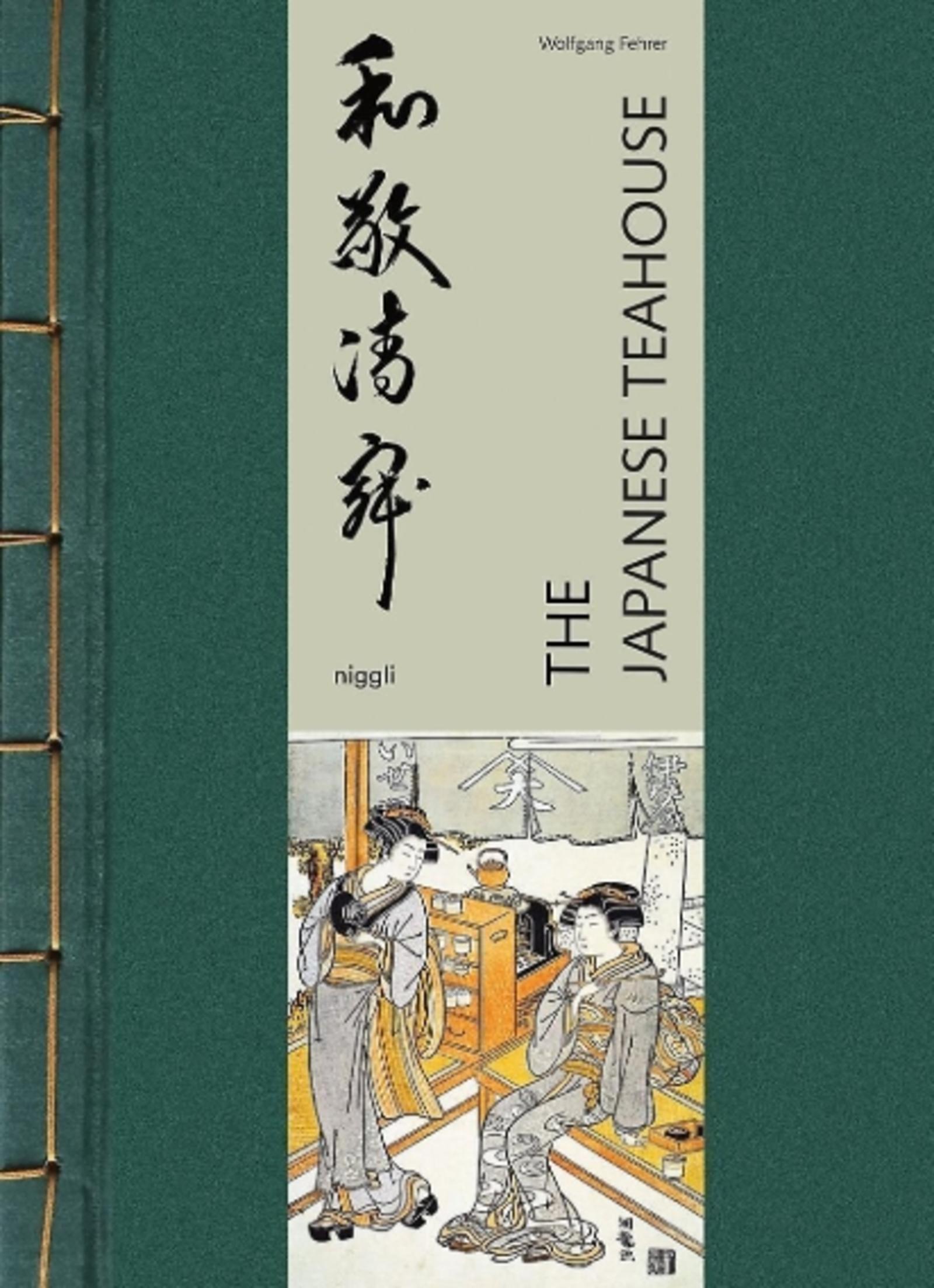
THE JAPANESE TEAHOUSE
Description
- Language of the text
- English
- Authors
- FEHRER WOLFGANG
- Publisher
- NIGGLI
- Collection
- NIGGLI EDITIONS
- Publication date
- 09/01/2020
- Date added
- 19/11/2026
- Format
- 380x225
- Number of pages
- 232
- Presentation
- Broché
- Content notes
Japanese culture and architecture has always fascinated the Western world. Within this context, the Japanese teahouse is a very special traditional, architecturally complex building type involving multiple currents of Japanese philosophy, art and esthetics.
The author presents the philosophical and religious background as well as the esthetic and spatial principles of the Japanese teahouse. He takes the reader on a cultural, historical and architectural journey through time, from the origins in the 15th century, when the art of the tea ceremony as well as the space in which it took place were recorded for the first time, to the present day, when the construction of a teahouse is still considered a great challenge for designers and architects in Japan.
Throughout history, a wide variety of rooms have been used for the tea ceremony: from the magnificent, large shoin reception rooms in the palaces of the ruling shoguns and rich samurai to the simple, grass-covered sôan hut modeled on the hermit's mountain hermitage. After many changes, the sôan teahouse was found to be the most suitable architectural form.
- Additional information
Japanese culture and architecture has always fascinated the Western world. Within this context, the Japanese teahouse is a very special traditional, architecturally complex building type involving multiple currents of Japanese philosophy, art and esthetics.
The author presents the philosophical and religious background as well as the esthetic and spatial principles of the Japanese teahouse. He takes the reader on a cultural, historical and architectural journey through time, from the origins in the 15th century, when the art of the tea ceremony as well as the space in which it took place were recorded for the first time, to the present day, when the construction of a teahouse is still considered a great challenge for designers and architects in Japan.
Throughout history, a wide variety of rooms have been used for the tea ceremony: from the magnificent, large shoin reception rooms in the palaces of the ruling shoguns and rich samurai to the simple, grass-covered sôan hut modeled on the hermit's mountain hermitage. After many changes, the sôan teahouse was found to be the most suitable architectural form.- EAN
- 9783721209976